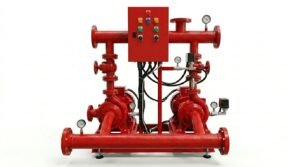
Fire Pump Skid Testing Procedures: A Comprehensive Guide for Qatar
A fire pump skid is the absolute heartbeat of a building’s life-safety system. However, installing it is only half the battle. If a fire pump fails to start during a massive emergency in a West Bay high-rise, the consequences are catastrophic. Because fire pumps sit dormant for months or years, they are highly susceptible to mechanical seizure, battery failure, or controller malfunction. Qatar Civil Defence (QCDD) mandates strict, uncompromising testing schedules derived from NFPA 25 to guarantee these pumps will operate flawlessly the moment a sprinkler head bursts. Autonex provides this definitive guide to fire pump testing and compliance.
The Weekly Churn Test (No-Flow)
The weekly “churn” test is the most fundamental maintenance task. It is a no-flow test, meaning the pump is run without discharging any water into the building’s sprinkler network (the water is usually bypassed back into the storage tank or a drain). For electric fire pumps, the test must run for 10 minutes; for diesel-driven fire pumps, it must run for 30 minutes. The goal is to verify that the automatic controllers successfully detect a pressure drop, start the motors, and that the pump reaches its required operating pressure without excessive vibration or overheating. During the diesel test, engineers must check oil pressure, engine cooling loops, and battery charging voltages.
The Annual Flow Test
While the weekly churn test proves the pump can start, the annual flow test proves the pump can still actually fight a fire. Over time, impellers wear down and pipes corrode. The annual test requires flowing massive amounts of water through a dedicated “Test Header” located outside the pump room. Using calibrated pitot tubes or flow meters, technicians plot the pump’s actual performance curve at three points: 0% flow (churn), 100% rated flow, and 150% rated flow. The results are compared against the pump’s original factory curve. If the pump’s performance has degraded by more than 5%, it fails the QCDD inspection and requires immediate overhaul.
Why Choose Autonex for Fire Pump Services
Fire pump testing requires specialized equipment and certified expertise. As the authorized distributor for leading safety brands like MEMF, Autonex doesn’t just supply fire skids; we maintain them for life. Our Doha-based testing engineers arrive on-site fully equipped with calibrated flow meters and digital tachometers. We handle the complex flow calculations, adjust the pressure relief valves, and provide the official, certified documentation required by Qatar Civil Defence to renew your building’s safety certificate. We ensure your facility is never exposed to liability due to a failed pump.
Frequently Asked Questions
Q1: Can my building’s regular maintenance staff perform the annual flow test?
No. While regular facility staff can and should perform the weekly churn tests, the Annual Flow Test requires specialized, calibrated equipment and must be performed and signed off by a certified third-party fire protection engineering company like Autonex to satisfy QCDD requirements.
Q2: During the weekly test, the diesel pump starts but creates massive black smoke. Is this normal?
A small puff of black smoke upon startup is normal for a heavy diesel engine. However, continuous, thick black smoke indicates the engine is under severe load, starving for oxygen (clogged air filter), or has faulty fuel injectors. It requires immediate servicing by an Autonex technician.
Q3: What is the purpose of the Jockey Pump, and how is it tested?
The Jockey Pump is a small, high-pressure pump that maintains the water pressure in the pipes, compensating for tiny leaks. It prevents the massive main fire pumps from constantly turning on and off (which damages them). The jockey pump is tested by slowly bleeding pressure from the system and verifying it starts automatically before the main pumps do.
Q4: My pump is vibrating heavily during the churn test. What should I do?
Vibration is a massive red flag. It usually indicates that the pump and the motor have become misaligned on the skid, or the bearings are failing. Shut the pump down immediately. Operating a misaligned fire pump will cause the mechanical seal to rupture, flooding the pump room.
Q5: What happens to the water during an Annual Flow Test?
A fire pump moves thousands of gallons per minute. This water must be safely routed. In modern facilities in Qatar, the test header is usually piped to discharge the water safely back into the massive underground fire water storage tank, creating a closed loop that wastes no water during the test.