Introduction to Check Valves for Qatar’s Fluid Systems
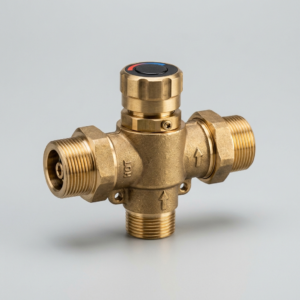
Check valves, or non-return valves, are the unsung heroes of pipeline safety. They automatically prevent the reverse flow of fluids, protecting expensive mechanical equipment like pumps and compressors from catastrophic backflow damage. In a rapidly developing nation like Qatar, where multi-million riyal pumping stations drive water and oil across the desert, the reliability of check valves is critical. Autonex provides a comprehensive suite of high-performance check valves engineered to eliminate water hammer and safeguard infrastructure across the GCC.
Key Applications in Qatar
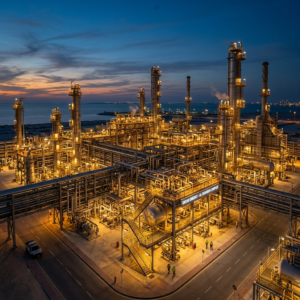
Every pumping system in Qatar requires a check valve. They are installed on the discharge side of massive centrifugal pumps in Kahramaa’s water forwarding stations to prevent the system from draining backward when the pumps shut off. In high-rise buildings in West Bay, dual-plate check valves protect booster pumps from the immense hydrostatic pressure of vertical water columns. In the energy sector, non-return valves are critical safety barriers in gas pipelines, preventing explosive backflow during pressure fluctuations in processing plants.
Technical Features & Specifications
We supply swing check, dual-plate wafer check, lift check, and axial flow (nozzle) check valves to suit any fluid dynamic requirement. Our dual-plate check valves feature spring-loaded mechanisms that close rapidly before reverse velocity can build up, practically eliminating the destructive shockwaves known as water hammer. Constructed from cast iron, ductile iron, stainless steel, or exotic alloys like Duplex, our valves meet API 594 and BS EN 16767 standards. The non-slam axial flow check valves are specifically designed for severe service in Qatar’s oil & gas sector.
Why Choose Autonex as Your Supplier in Qatar
Protecting your capital equipment requires valves you can trust completely. As the official distributor for PARAMINA, MEMF, META, and Selection of Safety, Autonex delivers certified, field-proven check valves to the Qatari market. We don’t just sell valves; we analyze your system’s flow conditions to recommend the perfect non-slam solution, preventing pipeline fatigue and extending the lifespan of your entire network. Our localized technical support ensures rapid assistance right here in Doha.
Frequently Asked Questions
Q1: How does a check valve prevent water hammer?
Water hammer occurs when reverse flow slams a valve shut abruptly. Our spring-assisted dual-plate and axial check valves are designed to close *instantly* the moment forward flow stops, before the fluid has a chance to reverse direction, thus preventing the shockwave entirely.
Q2: What is the difference between a swing check and a dual-plate check valve?
A swing check has a single heavy disc mounted on a hinge, which can be prone to slamming and requires a specific installation orientation. A dual-plate check valve uses two spring-loaded semicircular plates. It is much lighter, more compact (wafer design), closes faster to prevent slam, and can be installed in almost any orientation.
Q3: Can check valves be installed vertically?
It depends on the type. Spring-loaded dual-plate and axial check valves can usually be installed vertically with upward flow. Standard swing check valves are generally restricted to horizontal lines. Always consult Autonex engineering for specific installation guidelines in Qatar.
Q4: What is cracking pressure?
Cracking pressure is the minimum upstream fluid pressure required to overcome the internal spring/weight and push the valve open. Our check valves are engineered with optimized springs to ensure minimal cracking pressure while still guaranteeing rapid closure.
Q5: Do check valves require maintenance?
While fully automatic, check valves should be periodically inspected for debris accumulation, hinge pin wear, or spring fatigue. We recommend scheduling maintenance during routine pipeline shutdowns to ensure the internal mechanism moves freely and seals tightly.