Industrial emergency preparedness is the cornerstone of safe operations in the modern industrial landscape. In environments inherently laden with hazardous gases, toxic vapors, and particulate threats, rapid and effective emergency evacuation is not just a regulatory mandate but a life-saving absolute. The presence of highly toxic substances like Hydrogen Sulfide (H₂S) in oil & gas environments, petrochemical facilities, refineries, and vast gas processing plants necessitates the deployment of highly specialized emergency escape equipment.
When an unexpected hazardous gas release occurs, personnel must evacuate immediately to a safe assembly point. Standard working respiratory protection is often too bulky or inappropriate for a sudden, unexpected evacuation scenario where seconds count. This is where dedicated respiratory escape protection becomes critical. Organizations operating across Qatar’s vast industrial sectors must ensure they have appropriate, site-specific safety and emergency-response arrangements in place.
As a leading focus in emergency preparedness, the Dräger PARAT 4720 Qatar market has seen significant attention. The Dräger PARAT 4720 is widely recognized globally for its rapid deployment capabilities and robust protection profile during sudden toxic gas events. Organizations operating in Qatar’s industrial sectors may need appropriate emergency respiratory protection as part of their site-specific safety and emergency-response arrangements.
What Is the Dräger PARAT 4720?
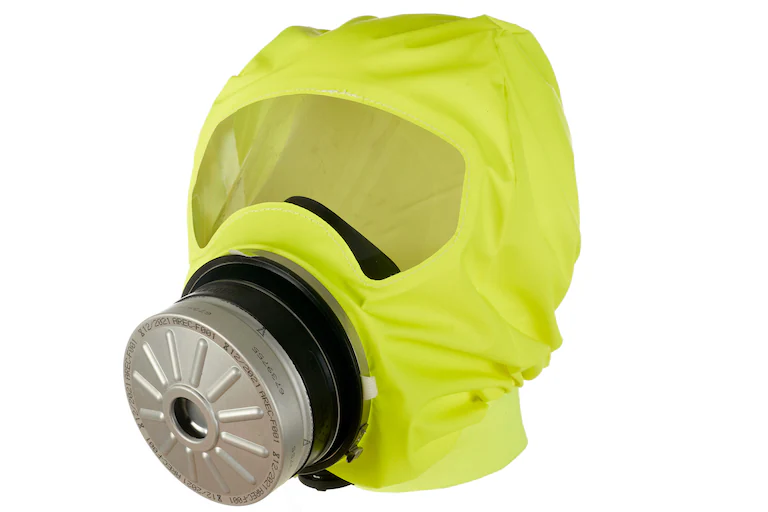
The Dräger PARAT 4720 is a highly engineered industrial escape hood designed specifically to provide crucial respiratory protection during an emergency evacuation. Unlike standard working respiratory protection—such as Self-Contained Breathing Apparatus (SCBA) or continuous-wear powered air-purifying respirators (PAPR) intended for prolonged work inside a known hazardous area—an emergency escape hood is designed purely for one purpose: safe, rapid egress from a suddenly contaminated environment.
The fundamental purpose of an industrial escape hood is to filter out toxic industrial gases, vapors, and particles for a designated minimum duration, allowing the wearer to breathe safely while immediately exiting the danger zone. The Dräger PARAT 4720 achieves this through an integrated, high-capacity filter system combined with a highly visible, instantly deployable hood.
Emergency evacuation applications demand equipment that is lightweight, intuitive to don even under extreme psychological stress, and capable of providing immediate protection. This is why emergency escape equipment is critically important; it bridges the gap between an unexpected atmospheric hazard and reaching a safe haven.
Dräger PARAT 4720 Key Features
The Dräger PARAT 4720 is packed with features designed to maximize survival chances during an industrial evacuation. Based on current manufacturer specifications, the key features include:
- Industrial Escape Hood Design: Specifically engineered for toxic industrial gas and particle environments.
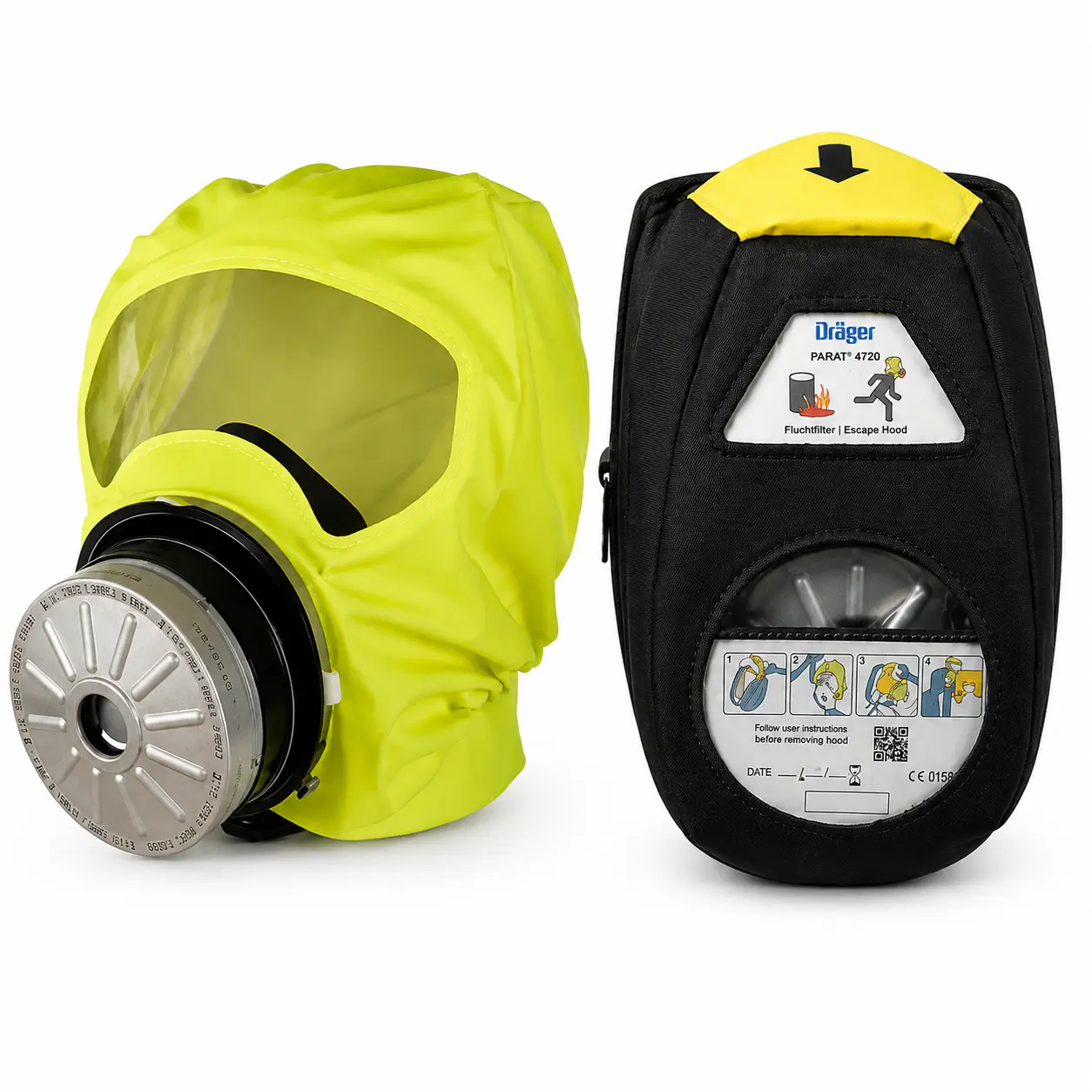
- Soft Pack Configuration: The PARAT 4720 Soft Pack is housed in a robust, compact fabric case that can be easily carried on a belt, shoulder strap, or integrated into PPE gear, ensuring it is always within reach.
- Minimum 15-Minute Escape Duration: Provides at least 15 minutes of respiratory protection, which is typically sufficient for egress from most industrial facilities.
- ABEK P3 Filtration: Features a high-performance combination filter that protects against a wide range of toxic industrial gases, vapors (organic and inorganic), sulfur dioxide, hydrogen chloride, ammonia, and hazardous particles.
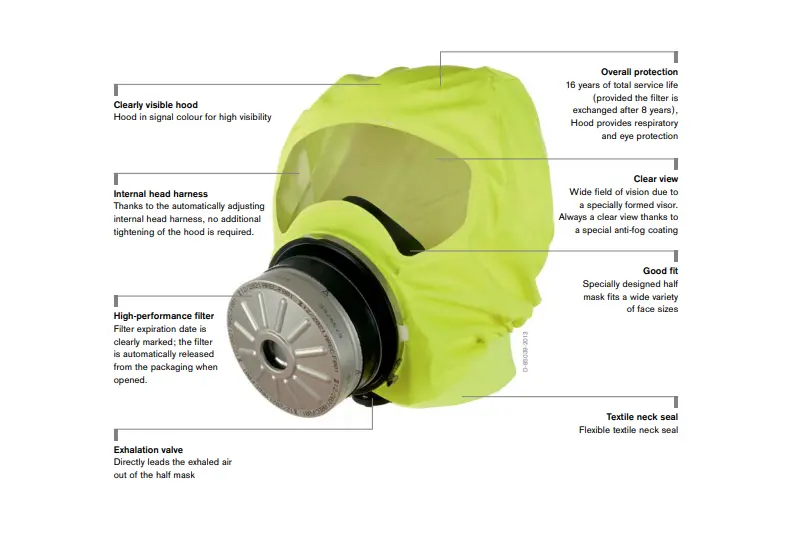
- Ease of Deployment: Designed for intuitive, rapid donning. When the packaging is opened, the filter plug is automatically released, pushing the filter into the operational position. The self-adjusting internal harness ensures a secure fit instantly.
- High Visibility: The hood is brightly colored, ensuring the wearer is easily visible to emergency response teams even in smoke-filled or poorly lit environments.
- Clear Visor: Equipped with a wide, anti-fog treated visor for an unobstructed field of vision during escape.
- Storage Considerations: Boasts a long total service life (typically up to 16 years, provided the filter is replaced every 8 years according to manufacturer instructions), making it a highly cost-effective long-term safety investment.
- Emergency Accessibility: The compact nature of the Soft Pack allows for widespread distribution across a facility, ensuring immediate accessibility when alarms sound.
Dräger PARAT 4720 Specifications
When procuring life-saving safety equipment, precision is paramount. Below are the verified technical specifications of the Dräger PARAT 4720 industrial escape hood.
| Specification | Details |
|---|---|
| Product | Dräger PARAT 4720 |
| Product type | Industrial Escape Hood |
| Configuration | Soft Pack |
| Article / Order Number | 3721333 |
| Minimum escape duration | 15 minutes |
| Filter | ABEK P3 |
How Does the Dräger PARAT 4720 Work During an Emergency?
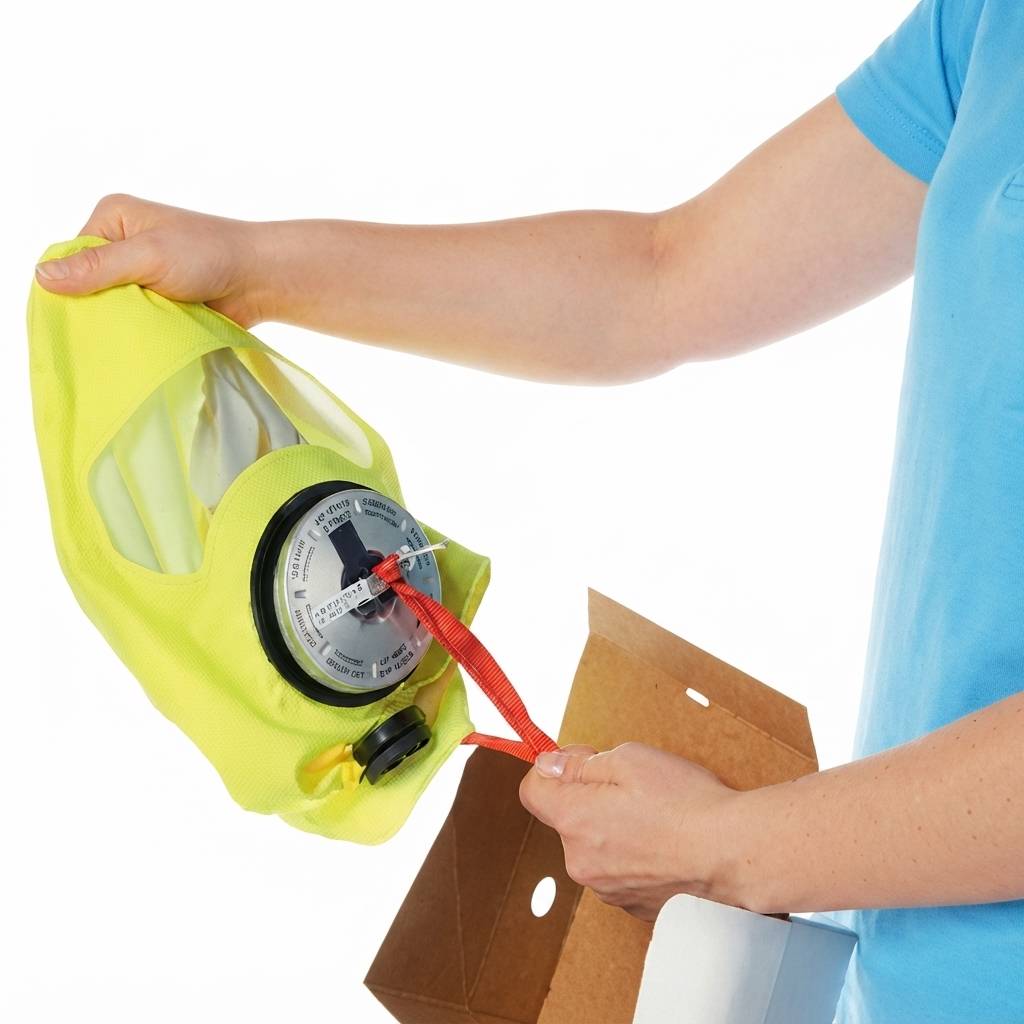
The general concept of an industrial escape hood is fundamentally simple yet technically sophisticated. During an emergency evacuation triggered by the sudden release of hazardous gases or vapors, the atmosphere quickly becomes unbreathable and potentially lethal. In these critical moments, personnel must rely on respiratory protection during escape.
When the facility’s gas alarms sound, a worker wearing the PARAT 4720 Soft Pack immediately opens the case. The innovative design ensures that opening the case automatically removes the filter plugs. The worker pulls the brightly colored hood over their head. The self-adjusting internal harness automatically secures the hood tightly around the head, while an elastomeric neck seal prevents contaminated ambient air from bypassing the filter.
As the wearer breathes, ambient air is drawn through the ABEK P3 combination filter. The filter chemically and physically traps toxic industrial gases, vapors, and particulate matter, allowing only clean, breathable air to enter the hood cavity. The wearer can then navigate safely through the facility to a designated muster point.
Critical Safety Distinction: It is imperative for HSE departments and project engineers to understand that the Dräger PARAT 4720 is strictly escape equipment. It is absolutely not intended to allow users to remain and work inside contaminated environments. Furthermore, because it relies on ambient air filtration, it must never be used in oxygen-deficient atmospheres (environments with less than 19.5% oxygen by volume). Users must always follow the manufacturer’s instructions and their employer’s specific emergency procedures.
Is the Dräger PARAT 4720 Suitable for H₂S Escape?
Hydrogen Sulfide (H₂S) is a highly toxic, colorless, and flammable gas commonly encountered in the extraction and processing of sour crude oil and natural gas. It is a profound industrial hazard because, at high concentrations, it rapidly paralyzes the olfactory nerve (destroying the sense of smell) and can cause immediate unconsciousness and death following respiratory paralysis. In regions heavily invested in sour gas extraction, H₂S emergency preparedness is not an option; it is the most critical element of site safety.
Because of the extreme lethality of sudden H₂S releases, emergency escape respiratory protection is absolutely vital. This is why many procurement departments frequently search for a reliable H2S escape hood Qatar supplier.
The Dräger PARAT 4720 features an ABEK P3 filter. The ‘B’ designation in the ABEK filter classification specifically indicates protection against inorganic gases and vapors, which includes Hydrogen Sulfide (H₂S), Chlorine, and Hydrogen Cyanide. Therefore, the Dräger PARAT 4720 is often utilized as an H2S emergency escape hood in various industrial settings.
However, it is critically important to understand that equipment selection must always be based on the actual hazard and manufacturer specifications. While the PARAT 4720 provides excellent protection, it is not suitable for every conceivable H₂S concentration or every hazardous atmosphere. Extremely high concentrations of H₂S, or environments where an oxygen deficiency is possible (such as confined spaces), typically mandate the use of supplied-air escape devices (like compressed air Emergency Escape Breathing Devices – EEBDs) rather than filter-based hoods. Suitability depends entirely on the specific hazard, anticipated concentration levels, comprehensive site risk assessments, and strict adherence to the manufacturer’s operational limits.
Dräger PARAT 4720 for Oil & Gas Facilities in Qatar
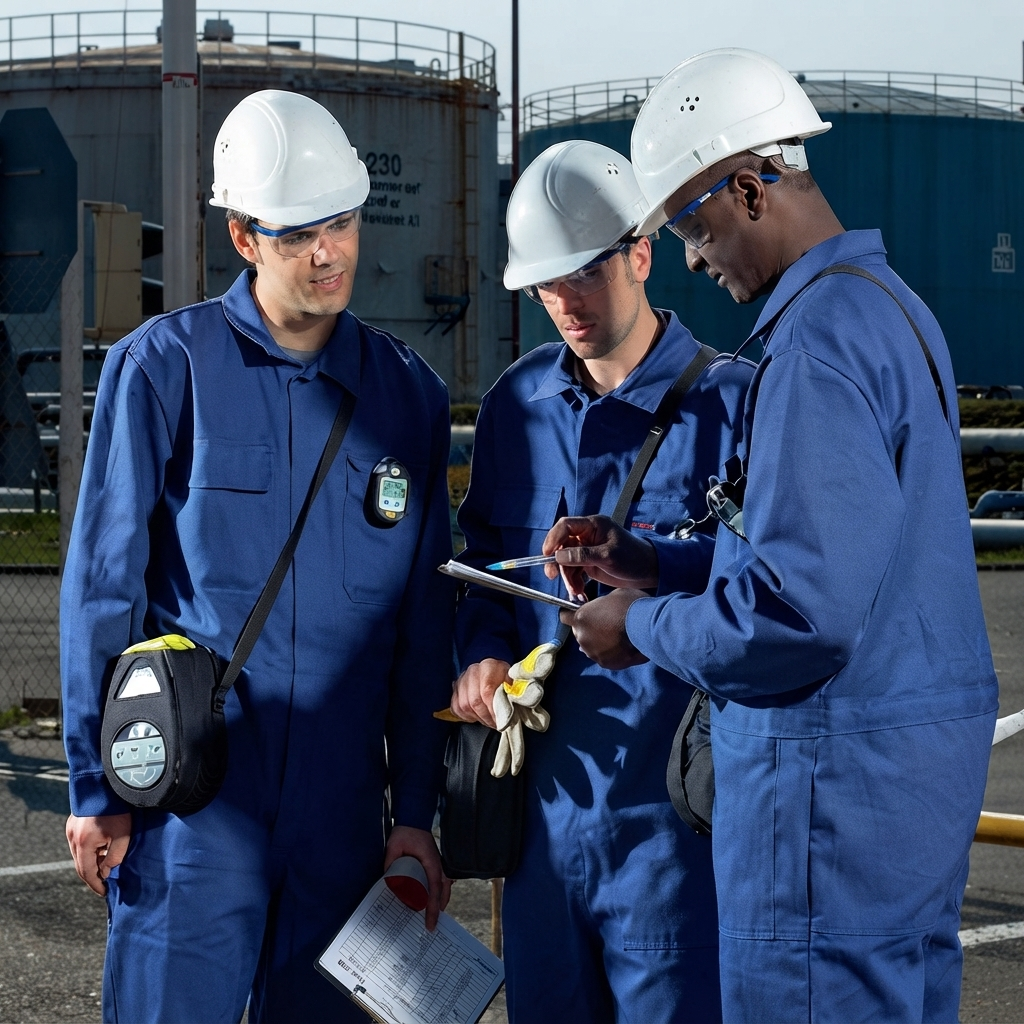
Qatar’s industrial landscape is globally renowned, anchored by immense oil & gas facilities, sprawling refineries, and highly advanced petrochemical plants. The nation’s position as a global leader in Liquefied Natural Gas (LNG) production means that massive gas processing facilities operate continuously.
In these environments—whether sprawling onshore facilities or isolated offshore platforms—the potential for sudden toxic gas releases is a constant operational reality. Major EPC projects continuously expanding this infrastructure require stringent adherence to the highest international safety standards. Consequently, the demand for the Dräger PARAT 4720 Qatar market is substantial, as HSE managers seek reliable oil and gas escape hood Qatar solutions.
It is important to note that a recent Qatar North Field Expansion project PPE document has specifically referenced the Dräger PARAT 4720 in connection with an H₂S escape hood requirement. This highlights the product’s recognition and acceptance within massive regional mega-projects.
However, while the Dräger PARAT 4720 is widely respected, it is crucial to state that specific equipment requirements vary wildly according to individual project hazard assessments, engineering specifications, and applicable corporate standards. The PARAT 4720 is not universally mandatory across Qatar, nor do national regulations universally require this exact model for every facility. Equipment selection remains the strict purview of qualified safety engineers conducting rigorous, site-specific risk assessments.
Where Can an Industrial Escape Hood Be Used?
The versatility of a high-quality industrial escape hood like the Dräger PARAT 4720 allows it to be integrated into the emergency response plans of various complex environments.
Oil & Gas Facilities
From upstream extraction wellheads to downstream distribution hubs, the constant threat of H₂S and explosive vapors makes rapid respiratory escape protection a fundamental requirement for all active personnel.
Refineries
Crude oil refineries process a vast array of highly toxic chemicals, including sulfur dioxide and various volatile organic compounds (VOCs). Emergency escape hoods provide the critical minutes needed to evacuate distillation units and cracking facilities during an accidental release.
Petrochemical Plants
Facilities producing plastics, fertilizers, and chemical feedstocks handle highly dangerous inorganic and organic gases. The broad-spectrum ABEK filtration is particularly valuable here, offering cross-protection against multiple simultaneous chemical hazards.
Chemical Processing Facilities
Industrial chemical plants dealing with ammonia, chlorine, and potent acids require immediately accessible escape hoods deployed throughout the facility to ensure worker survival during catastrophic containment failures.
Gas Processing and LNG Facilities
The processing, super-cooling, and transport of natural gas involve managing sour gas components. Dedicated escape equipment is vital for personnel operating near gas sweetening units and liquefaction trains.
Industrial Manufacturing Facilities
Heavy manufacturing, metal processing, and industrial wastewater treatment plants often utilize hazardous chemicals or generate toxic byproducts where emergency evacuation protocols demand respiratory protection.
Emergency Response and Evacuation
Beyond individual worker protection, caches of industrial escape hoods are often maintained by facility emergency response teams to aid in the safe evacuation of contractors, visitors, and non-essential personnel during a site-wide crisis.
Why H₂S Emergency Preparedness Matters in Oil & Gas
In the oil and gas sector, H₂S emergency preparedness is not merely a compliance checkbox; it is the fundamental architecture of human survival on site. Effective preparedness relies on a deeply integrated, multi-layered approach to safety.
It begins with rigorous hazard identification and the deployment of highly sensitive, redundant gas detection networks capable of instantly identifying a leak. These detectors must trigger immediate, unmistakable alarm systems across the facility. Once the alarm sounds, the focus shifts entirely to emergency evacuation.
Safe evacuation requires clearly marked, unobstructed escape routes leading to safe muster areas. However, if the escape route itself is compromised by the gas plume, workers must immediately don respiratory escape protection. An H2S escape hood supplier Qatar facilities rely on is a critical partner in this chain of survival.
Crucially, owning the equipment is only half the battle. Extensive personnel training is vital; workers must know exactly how to deploy their escape hood in seconds while under extreme stress. Furthermore, these devices must be integrated into comprehensive emergency response plans and subjected to regular inspection and maintenance to ensure they will perform flawlessly when called upon.
It must be unequivocally stated: an industrial escape hood does not replace fixed gas detection, personal gas monitors, active ventilation, or process containment. It is the absolute last line of defense—one critical component of a much broader, highly engineered safety system.
How to Select the Right Industrial Escape Hood
Procuring emergency respiratory protection requires careful, methodical analysis by HSE professionals. Selecting the wrong equipment can be fatal. Consider the following critical factors:
- Hazard Type & Gas Identification: You must know exactly what chemicals, gases, or vapors are present on site. A filter designed for carbon monoxide will not stop hydrogen sulfide.
- Concentration Limits: Filter-based hoods have maximum concentration limits. If a catastrophic rupture could result in massive, overwhelming gas concentrations, supplied-air systems may be legally required.
- Escape Duration: Calculate the actual time it takes to walk (not run) from the deepest, most complex part of the facility to the safe muster point. Ensure the hood’s minimum escape duration (e.g., 15 minutes) comfortably exceeds this time.
- Filter Requirements: Ensure the filter classification (e.g., ABEK P3) matches the site’s specific chemical inventory.
- Site Conditions: Consider factors like extreme temperatures, high humidity, and the physical constraints of the escape route.
- Storage & Accessibility: The equipment must be stored where it is immediately accessible—either worn by the worker (like the Soft Pack) or housed in highly visible wall boxes.
- Training & Inspection: Select equipment that is intuitive to use and easy to inspect, adhering strictly to manufacturer instructions regarding shelf life and filter replacement cycles.
- Project Specifications: Always cross-reference your selection with the official project specifications and the site’s overarching risk assessment.
Dräger PARAT 4720 Supplier in Qatar
When lives are on the line, procurement departments cannot afford delays, counterfeit products, or logistical failures. For major industrial projects, securing a reliable Dräger PARAT 4720 supplier in Qatar is paramount.
AUTONEX Qatar operates as a highly specialized procurement partner and supplier of critical industrial safety equipment in Qatar. Whether your EPC project requires outfitting a newly constructed LNG train or your HSE department is executing a facility-wide upgrade of aging escape equipment, AUTONEX is positioned to support your requirements.
If you are searching for a Dräger PARAT 4720 Doha source or a dependable Dräger escape hood supplier Qatar, our technical procurement team is ready to assist. Customers can contact AUTONEX to:
- Request a detailed, project-specific quotation.
- Check current global availability and lead times.
- Confirm exact product requirements and part numbers (such as Article No. 3721333).
- Discuss bulk project quantities and phased deliveries.
- Obtain official technical data sheets and product information.
- Discuss specialized delivery requirements direct to site.
How to Request a Dräger PARAT 4720 Quotation in Qatar
To ensure rapid processing of your commercial inquiry, please provide our sales team with comprehensive details. When contacting us, please include:
- The exact required quantity of the PARAT 4720 Soft Pack.
- Your full registered Company Name and commercial details.
- The specific Project Name (if applicable).
- The exact delivery location within Qatar.
- Your required delivery date to align with project milestones.
- Any specific technical requirements or material compliance demands.
- Relevant project specifications that dictate the procurement.
- Specific documentation requirements (e.g., Certificates of Conformity).
Looking for Dräger PARAT 4720 in Qatar? Contact AUTONEX to check product availability and request a quotation.
Frequently Asked Questions
1. What is the Dräger PARAT 4720?
The Dräger PARAT 4720 is an advanced industrial escape hood designed for emergency evacuation. It features a highly visible hood and an integrated ABEK P3 combination filter, designed to protect the wearer from a wide range of toxic industrial gases, vapors, and hazardous particles during rapid egress from a contaminated environment.
2. What is the Dräger PARAT 4720 used for?
It is strictly used for emergency evacuation from facilities experiencing a sudden release of toxic gases or chemical vapors. It provides critical respiratory protection for at least 15 minutes, allowing personnel to safely evacuate oil refineries, chemical plants, and other hazardous industrial zones to a safe muster point.
3. Is the PARAT 4720 an H₂S escape hood?
Yes, it can function as an H₂S escape hood. The integrated ABEK P3 filter includes ‘B’ class filtration, which is specifically designed to protect against inorganic gases, including Hydrogen Sulfide (H₂S). However, its suitability depends on the anticipated gas concentration and site-specific risk assessments.
4. How long does the Dräger PARAT 4720 provide escape protection?
According to current manufacturer specifications, the Dräger PARAT 4720 is engineered and certified to provide a minimum escape duration of 15 minutes. This timeframe is generally calculated to allow personnel ample time to walk from a contaminated work area to a safe, uncontaminated zone.
5. What filter does the PARAT 4720 use?
The PARAT 4720 utilizes a high-performance ABEK P3 combination filter. This advanced filter provides broad-spectrum protection against organic vapors (A), inorganic gases like H₂S and chlorine (B), sulfur dioxide and hydrogen chloride (E), ammonia (K), and hazardous particulates (P3).
6. Is the Dräger PARAT 4720 suitable for oil and gas facilities?
Yes, it is highly suitable and widely deployed across the oil and gas sector. Its ability to filter H₂S and other toxic vapors makes it a critical piece of emergency preparedness equipment for refineries, petrochemical plants, offshore drilling platforms, and LNG processing facilities.
7. Where can I buy Dräger PARAT 4720 in Qatar?
Procurement departments and HSE managers looking to source the Dräger PARAT 4720 in Qatar can contact AUTONEX. We specialize in supplying critical industrial safety equipment to major EPC projects, refineries, and industrial contractors operating throughout the region.
8. Is Dräger PARAT 4720 available in Doha?
Yes, through our specialized procurement network, AUTONEX can supply the Dräger PARAT 4720 to industrial sites, corporate offices, and project laydown yards within Doha and across all major industrial cities in Qatar, including Ras Laffan and Mesaieed.
9. How can I request a quotation for PARAT 4720 in Qatar?
You can request a quotation by contacting the AUTONEX sales team directly. Please provide your company details, project name, required quantities, and target delivery dates. Our team will promptly review your requirements and provide a comprehensive commercial proposal.
10. What should I consider when selecting an H₂S escape hood?
Selection must be based on a rigorous risk assessment. Key factors include the exact type of gas (H₂S), maximum potential concentrations, required escape duration, site layout, oxygen levels (filters cannot be used in oxygen-deficient environments), and strict adherence to manufacturer operational limits and project specifications.
Conclusion
Industrial safety in the modern era leaves absolutely no room for error or compromise. The sudden release of highly toxic gases demands an immediate, flawless response. The Dräger PARAT 4720 stands as a globally recognized, highly engineered industrial escape hood, providing critical ABEK P3 filtration and a minimum 15-minute escape duration. For facilities managing severe hazards like H₂S, robust emergency preparedness—anchored by reliable respiratory escape protection—is the ultimate safeguard for human life.
As Qatar’s oil & gas and heavy industrial sectors continue to expand through massive mega-projects, the necessity for stringent safety protocols and correct product selection has never been higher. Procuring the right equipment requires partnering with experts who understand the profound demands of the industrial landscape.
If you are looking for Dräger PARAT 4720 in Qatar, contact AUTONEX for product information, availability and quotation.